
When Cybercrime Meets Financial Crime: Protecting Credit Unions Without Breaking the Bank
December 24, 2025
The New Era of Healthcare Resilience
March 2, 2026
The Super Bowl remains one of the most high-profile sporting events globally, attracting millions of fans and generating significant digital engagement. This popularity, however, presents an equally attractive opportunity for cybercriminals and fraudsters to exploit consumers and businesses alike. As organizations prepare for Super Bowl 2026, understanding threat vectors and implementing proactive defenses is critical.
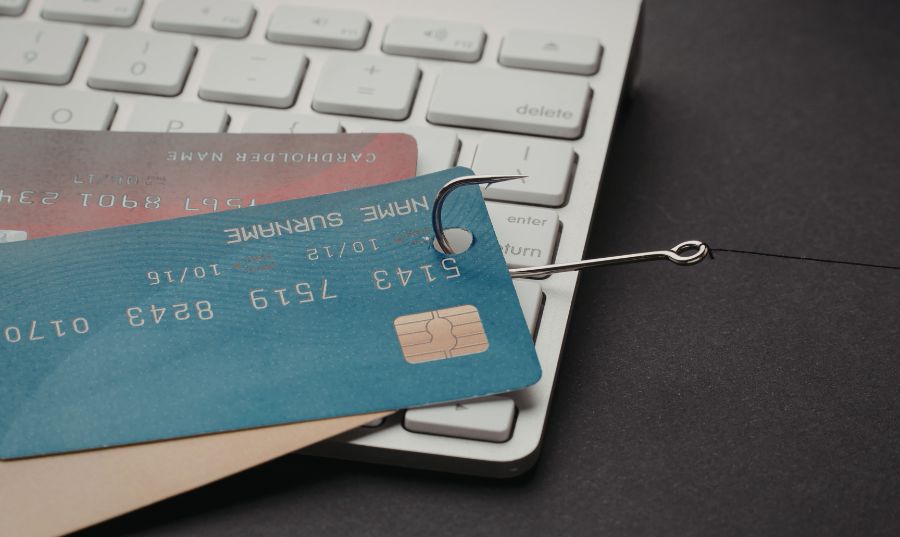
Fraudsters capitalizing on the event leverage a mix of social engineering, phishing, and deceptive online properties to target unsuspecting individuals. Fake ticket sales remain among the most prevalent threats. Malicious actors create counterfeit ticket listings on resale platforms and social media that mimic legitimate vendors. These scams not only deceive buyers into transferring funds but also capture sensitive financial data for future misuse. Phishing campaigns tied to ticket confirmations, streaming access, and payment app alerts have become increasingly sophisticated, particularly around major sporting events. Attackers craft emails and text messages that impersonate official services to harvest credentials and banking information.
In addition to ticket fraud, cybercriminals exploit fan enthusiasm through deceptive travel packages, unauthorized parking services, and bogus merchandise sites. Scammers frequently deploy malicious QR codes embedded in ads and social posts, leading victims to phishing domains or malware installers. There is also a documented surge in malicious gambling content and fake betting platforms aimed at enticing users with too-good-to-be-true odds and promotions, which can result in identity theft and financial loss.
To mitigate these risks, stakeholders must prioritize secure digital practices. Fans should be encouraged to purchase tickets and merchandise only through authorized channels, verify URLs before submitting information, and apply multi-factor authentication on all relevant accounts. For organizations, investing in real-time threat intelligence, automated phishing detection, and user education can significantly reduce exposure. As high-profile events continue to draw global attention, comprehensive cybersecurity preparedness remains essential to safeguarding both reputation and revenue.